
Follow Jessica and Shelby on Instagram for daily insight and #cre @925cre_jessica @925cre_shelby
Rollercoaster is an understatement. What began as status quo year, quickly changed course for businesses in all asset classes across the East Bay, including Livermore, Pleasanton, Dublin, San Ramon, Danville and up the 680 corridor to Walnut Creek.
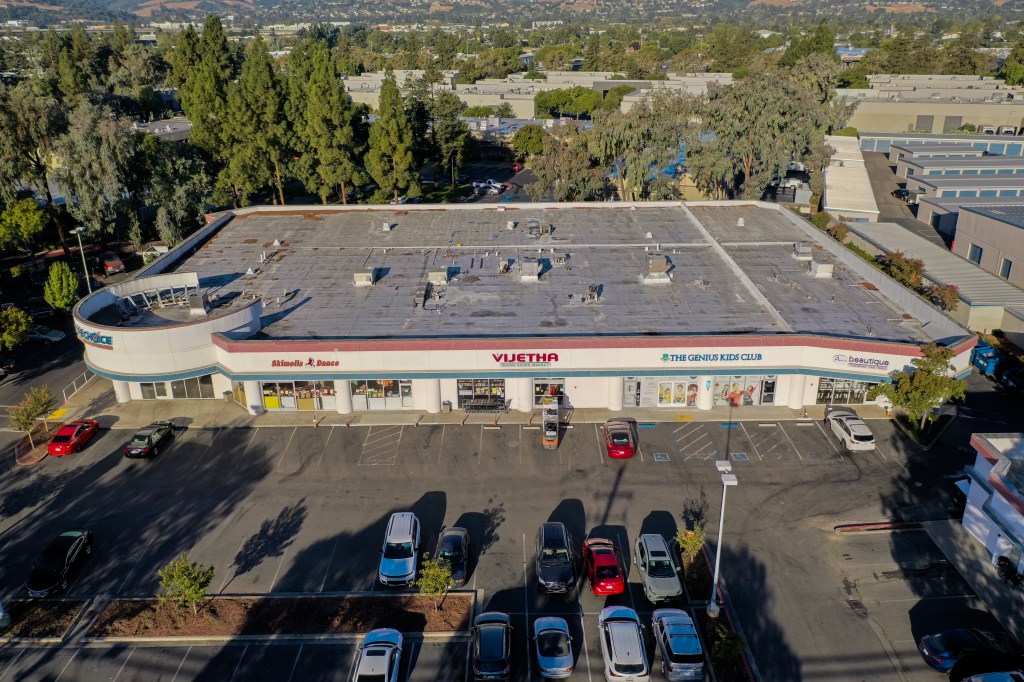
Retail is the most widely discussed commercial real estate asset class. It is the commercial real estate product that each one of us come in contact with daily. It is where family owned, small business, medium sized, national and global businesses reach the every day consumer. In this suburban market, we primarily see retail in the form of strip centers (smaller retail center with no grocery or big box anchor), anchored shopping centers, and free standing retail buildings (those found in the downtown districts). Malls (indoor and outdoor) and power centers (many large anchors) tend have a different eco-system, let’s keep those assets out of this conversation.
When the Bay Area went under the Shelter in Place (SIP) order in March 2020, all transactions came to halt. The unknown sent chills down the backs of financial institutions, investors, and businesses across the board, with few exception. Most new construction hit the pause button, along with tenant improvement construction.
Within the first 4 to 6 weeks, most landlord’s had figured out short term rent relief situations with tenants. Despite, however, landlords’ having no recourse with their own lenders. The vast majority of small businesses were able to adapt to the new style of business, take out and to-go formats in the restaurant industry. Soft good retailers relying and expanding social media and internet based advertising and sales.
Between weeks 6 and 12 (Bay Area still being in SIP, some counties having re-opening plans) businesses were funded by PPP loans and some municipalities enacted eviction moratoriums. A bit of equilibrium taking place, and from where I sit today, nothing has changed between June 2020 and January 2021. If anything, businesses have more exposure given the lack of PPP and continued suppression of business under California mandates. With the added unknown of mass exodus from San Francisco proper (many into the suburbs) and many cashing out of California altogether.
Because of the eviction moratoriums many tenants remain in place that haven’t paid rent in many months, if not a year. (We call this “shadow inventory”: space that is available but at what point it can be leased to a new business, yet to be known). We also have a climate where most landlord’s are local, family or small companies willing to work with existing business owners; not large corporate owned retail centers where flexibility is few and far between. Because of the amicable relations between tenant and landlord, the turn-over has been limited. Most of the current inventory of empty space is pre-covid vacancy or corporate blow out via bankruptcy.
Many have expected to see rents decrease or large amount of vacancy, creating a frenzy for those looking for a deal. That phenomena has not materialized. From both lease and sale, pricing has remained stable. Real estate is supply and demand; the low vacancy allows rents to remain steady. A shock to many hoping to start a new business or expand business.
Rental rates had already found a plateau in 2019. The last year we saw large leaps in rental rates across the retail asset class was 2017. We began to see less deals, less emerging business and a push back in rental rates in 2018 which bled into 2019. Strong retail centers with high image or exceptional location continued to demand market rents, and I expect that trend to continue.
2020 did not lend to a significant jump in vacancy rates, nor did it lend to a significant decrease in pricing. However, Pre-Covid empty space did not see absorption from emerging or growing businesses that would have been seen in a normal year.
Sales and acquisitions have been fueled by owner-user buyers. Those looking to occupy their own space and have advantageous financing through Small Business Administration (SBA). Grocery sector being an active tenant and buyer.
Retail investment sales continue to stall; the distance between buyer and seller expectations could not be further apart. Investors are looking for off market for purchase opportunities due to a lack of inventory. Savvy Investment buyers expect discounts based upon 2020 rent collection and the long-term view of retail and Covid fallout. Owners continue to hold out for 2019 cap rates based upon collection of 2019. It is safe to say, the top of the investment retail sales market has been found, and it lived somewhere between 2017 and 2018.
2021 is off to a running start, tenants have found a new normal and are navigating the waters. I expect to see another year of touch and go, some business sectors thriving, others surviving. Overall, a steady leasing environment where tenants are able to gain concessions in free rent or tenant improvement allowances, but not necessarily substantial rental rate decreases for the long term. That said, a bit of caution, a mass purge of shadow inventory could alter our vacancy subsequently, rental rates would dip, creating a major challenge for all retail shopping center owners.
Looking for more in depth or specific info? Contact me!


 Retail, Industrial, & Investment Property Advisor
Leave a comment